

Identity theft is no longer a distant cybercrime affecting “other people.” Here in the UK, I’ve seen first-hand how it can devastate finances, damage credit records, and cause immense stress. Whether you’re at home in Manchester or travelling through Madrid, your personal information is valuable currency to criminals.
The good news? With the right precautions, you can significantly reduce your risk.
What Is Identity Theft?
Identity theft occurs when someone unlawfully obtains and uses your personal information — such as your name, date of birth, address, passport details, bank information, or National Insurance number — to commit fraud.
Criminals may:
- Open credit cards or loans in your name
- Empty your bank accounts
- Take over your email or social media accounts
- Use your passport details for international fraud
- Commit crimes under your identity
According to the UK’s national reporting centre, Action Fraud, identity fraud remains one of the most reported fraud types in Britain. ( https://www.reportfraud.police.uk/)
Identity Theft at Home in the UK
At home, identity theft commonly happens through:
1. Phishing Emails & Text Messages
Scammers impersonate trusted organisations such as:
- HM Revenue and Customs (HMRC tax rebate scams are especially common)
- Royal Mail
- High street banks
- Delivery companies
They’ll ask you to “confirm details” or click malicious links.
2. Card Skimming
Devices fitted to ATMs or petrol pumps capture your card details.
3. Post Theft
Bank statements, replacement cards, and official documents stolen from letterboxes can provide enough information for fraud.
4. Data Breaches
Even large organisations can suffer breaches, exposing login credentials and personal data.
Identity Theft Abroad
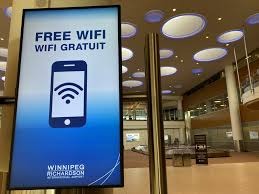

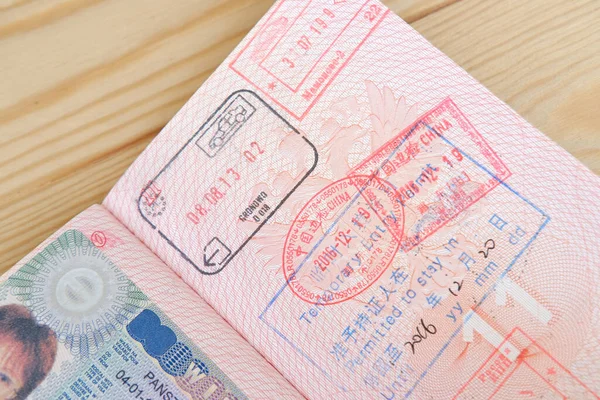
When travelling overseas, the risks increase — particularly in tourist hotspots.
1. Public Wi-Fi Networks
Unsecured Wi-Fi in airports, hotels, and cafés can allow criminals to intercept your data.
2. Passport & Document Theft
Your passport is a goldmine for identity criminals. A single photograph of its details can be enough for misuse.
3. Shoulder Surfing
Watching you enter PINs or passwords in crowded areas.
4. Foreign ATM Fraud
In some regions, ATM skimming is more prevalent and harder to detect.
If you’re travelling from the UK, guidance from the National Cyber Security Centre (NCSC) offers practical advice for staying secure online abroad.
How to Protect Yourself at Home
As someone advising UK consumers for years, these are the essentials:
✔ Strengthen Your Passwords
- Use a password manager
- Enable two-factor authentication (2FA)
- Avoid reusing passwords
✔ Register with CIFAS Protective Registration
CIFAS offers a protective registration service,by placing a warning flag against your name and other personal details in its National Fraud Database. This tells any organisation that uses Cifas data to pay special attention when your details are used to apply for their products or services. Knowing you’re at risk, they’ll carry out extra checks to make sure it’s really you applying, and not a fraudster using your details.
✔ Check Your Credit Report Regularly
Use reputable UK credit agencies to spot suspicious activity early.
✔ Be Sceptical
HMRC and banks will not demand personal information via unsolicited texts or emails.
✔ Shred Sensitive Documents
Dispose of paperwork properly before binning it.
How to Protect Yourself When Travelling Abroad
✔ Use a VPN on Public Wi-Fi
Encrypt your connection whenever accessing financial accounts.
✔ Avoid Public Computers
Never log into banking or email accounts on shared devices.
✔ Keep Physical Documents Secure
- Use hotel safes
- Carry photocopies, not originals, when possible
- Enable biometric locks on your phone
✔ Notify Your Bank Before Travel
This prevents your card being blocked and allows them to monitor unusual activity more effectively.
✔ Enable Banking Alerts
Real-time transaction notifications can stop fraud in minutes rather than weeks.
Warning Signs You May Be a Victim
- Unfamiliar transactions on your bank statement
- Letters about credit you didn’t apply for
- Being declined for credit unexpectedly
- Missing post
- Account password reset emails you didn’t request
If you suspect fraud in the UK, contact your bank immediately and report it to Action Fraud.
Final Thoughts: Vigilance Is Your Best Defence
Identity theft isn’t about being paranoid — it’s about being prepared.
Criminals rely on distraction, urgency, and complacency. Whether you’re shopping online in Birmingham or checking into a hotel in Barcelona, small habits make a significant difference.
In today’s connected world, your identity is one of your most valuable assets. Protect it with the same care you would your home or your passport.